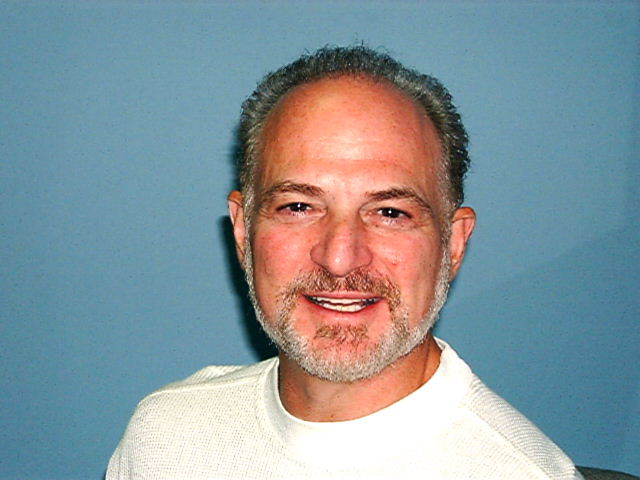
 Jay D. Tarnow, M.D.
Now that adults are increasingly being diagnosed with ADHD, questions are being raised about the long-term effects of stimulants on those adults. Adult cardiovascular systems are clearly different than those of children. In this case, adults are more vulnerable.
As people age, their blood pressure and heart rates have a tendency to rise. Many people in our population develop hypertension in middle age as part of their aging process. The wear and tear of our cardiovascular system over time makes adults more susceptible to increasing heart rates, heart failure, and heart attacks. Diseases that affect the cardiovascular system such as Diabetes, Obesity, etc. can add to these problems.
Research with stimulant medications and even Strattera has focused on young healthy adults. I have reviewed all of the available studies by the FDA and pharmaceutical companies. The cut-off age is 50 years old. Thus, data regarding the most vulnerable population is missing. Most studies show a slight increase in vital signs of three to five beats per minute in heart rate, a 3-millimeter increase in systolic blood pressure, and 1-millimeter increase in diastolic blood pressure in the under 50 year old population. What about the over 50? This issue will need to be studied since more adults are being diagnosed as well as those ADHD children diagnosed 30 years ago who are still taking medication.
All stimulants and Strattera (Atomoxetine) should be used with caution in patients with known hypertension, tachycardia (rapid heart beats), and cardiovascular or cerebrovascular disease. However, many adults with ADHD don’t go to doctors for physical exams on a regular basis. Therefore, blood pressure and pulse must be evaluated before being placed on these medications and then followed regularly by the patient. Being responsible for one’s health is an essential component of self-management.
I recommend that patients take their blood pressure and pulse at the pharmacy when they are refilling their prescription. Report these findings to your doctor, this will catch a problem before if becomes serious.
All the medicines for ADHD have very clear warnings about use in patients with heart disease, heart failure, heart attacks, hypertension, as well as, seizure disorders. Provigil and Wellbutrin (Bupropion) have been used off label in patients with ADHD who have cardiac problems. However, in my experience both medications have increased blood pressure in some susceptible individuals.
There are no blood tests recommended to be used with stimulant medications on a routine basis. I recommend that my patients have a yearly Liver Function test or when symptoms dictate. A few patients on Strattera (Atomoxetine) have had increases in liver enzymes. These have been reversible changes. Signs of liver abnormalities are nausea, severe tiredness, diarrhea, muscle aches and pains, and jaundice (yellowing of skin and the white parts of the eyes). Many people will describe the first signs of liver problems as a “flu”. In these cases, ordering Liver Function Tests are appropriate.
The literature does not show that patients taking stimulants have a higher incidence of Alzheimer’s or Parkinson’s disease. We are moving into a new era of treating adults with ADHD. Thus physicians will need to be vigilant as we follow these patients over time. Since I follow people for a long time I have a great deal of experience with this population that is not available elsewhere.
To our valued clients,
We at the Tarnow Center for Self-Management are aware of the rising concern regarding the spread of the Coronavirus throughout the country and within Houston. Our first priority is the health and safety of our clients, team members, and the communities we serve. Jalane Theis, NP has been appointed as our infection control director. At the center, we have instituted rigorous medical techniques to create a safe environment. We continue to devote the necessary time and resources to do our part to respond to this emerging public health issue. We are taking guidance from the Centers for Disease Control (CDC), the World Health Organization (WHO), and government agencies, to stay on top of this.
According to the most recent information from the CDC, the immediate risk of being exposed to the Coronavirus is considered low for most people. To be on the side of caution, here’s what we are doing as a center:
- We are focused on cleaning our facility more diligently with recommended sanitizing products.
- We have taken increased steps to ensure the welfare of our employees. This includes instructing employees who feel ill to stay home and consult their healthcare providers. We are also urging all employees to be vigilant about frequent hand washing and sanitation.
- We are increasing the frequency and monitoring the techniques used to clean our offices, in particular, we are paying special attention to touchpoints such as doorknobs, check-in/out areas, pens, clipboards, testing computers, and hard surfaces.
We are taking the necessary steps to provide a safe environment for our clients. In doing so, it is important to us that we give you flexibility for your appointments. We are providing appointments via phone and telehealth, if you are unable to make it to the clinic. We are also requesting clients who are sick or have family that are sick or who recently traveled out of the country to stay home.
We will only use a telehealth service that is HIPAA compliant, and it will be free for you to use. We currently use it to communicate with our clients who are away at college or who currently live out of the city. You can download it to your phone, tablet, or computer (as long as your computer has a web camera). Please get in touch with one of our administrative staff to learn more about how to get started with telehealth. We are also including with this letter a packet on telehealth and how to sign up.
Below are helpful tips we wanted to share with our clients.
Ways to Boost Your Immune System:⠀
- Sleep is important for each body system. Getting enough rest will help your immune system work efficiently and effectively
- Help boost your immune system by taking Vitamin C, E and D and Zinc.
- Avoid toxins that weaken the immune system such as smoking, alcohol, illegal drugs, and processed foods
- De-stress through exercise, meditation, breathing exercises… your immune system is weakened by high stress levels⠀
⠀⠀⠀
Preventative Measures:
- Wash your hands regularly for at least 20 seconds. Use hand sanitizer that is at least 60% alcohol, but still need to wash your hands during the day.
- Do not touch your face, eyes, or mouth when out in a public place without sanitizing them first.
- It is recommended to stay at least 6 feet from anyone who is symptomatic (coughing or sneezing)
- Disinfect surfaces
- For the most accurate and up to date information please refer to the below websites and not social media. Stay informed through the CDC’s coronavirus website, https://www.cdc.gov/coronavirus/2019-ncov/index.html, and the WHO website, https://www.who.int/health-topics/coronavirus, which is updated regularly with that most relevant information. The US public health system has emergency plans in place and will provide information as needed.
Steps to Protect Others:
- Stay home if you are sick
- Cover your coughs and sneezes by covering your mouth and nose with a tissue or use the inside of your elbow. Throw the tissue in the trash then immediately wash your hands
- If sick, you should wear a face mask if around other people.
- If you are not sick, then you do not need to wear a face mask unless you are taking care of someone who is sick, and they are unable to wear a mask.
- Clean and disinfect surfaces
The Tarnow Center has special training in managing stress. We have been educating ourselves further in being the resource in the community. We are here for you.
Thank you,
The Tarnow Center Staff
Melissa M. Gonzalez, Psy.D.
 Romantic love is a dynamic state involving two fairly equal partners who have needs and capacities for attachment, care-giving, and sexual gratification. At times, each individual will feel threatened, frightened, or injured, requiring protection, comfort, and support. Healthy, secure adults usually seek to fulfill these needs with their spouse or romantic partner. However, those with insecure attachment styles respond in slightly different ways.
Anxious/preoccupied individuals (those who are high in attachment anxiety and low in avoidance) question whether or not they are worthy of love and become extremely worried about being rejected. They generally appear needy and dependent in relationships. They usually want to be extremely close, both emotionally and physically; they are especially sensitive and expressive; and they constantly seek reassurance of their partner’s love and availability as well as their own self-worth. These individuals can be excessively care-giving at times, which may be perceived as dominating. While they tend to idealize partners, they can be demanding as they never feel that their needs are fully met. Within the context of a relationship, the individual with an anxious attachment style is likely to have their attachment needs triggered frequently, often for extended periods of time. They may even feel threatened by events that might normally be considered minor or even benign. They remain highly vigilant of their partner’s level of availability and responsiveness. Yet this can strain the relationship significantly as the anxious individual becomes dissatisfied or angry about the insufficient support they receive relevant to the high demands and expectations they place on their partner. Consequently, the partners of these individuals often become irritated and demoralized by the constant calls for support and feelings that they cannot fulfill their partner’s needs.
Avoidant/dismissing individuals (those who are low in attachment anxiety, but high in avoidance) have a relatively low need for relationships and are content being self-sufficient. In relationships, they demonstrate low levels of self-disclosure, emotional closeness, and physical affection. These individuals generally do not turn to their partners for support in times of distress and also do not feel a drive toward providing support or care. These individuals may actually provide support in tangible ways, but typically not in emotional ways. Overall, they are emotionally distant and defended; they are likely to make negative attributions about their partners; and they can be critical and judgmental. Individuals with avoidant attachment styles are likely to minimize threatening feelings, preferring not to focus on them. Therefore, they usually attempt to cope with threats on their own without relying on their spouse or partner. When the avoidant individual’s partner seeks out support (either in healthy or unhealthy ways), he or she is typically seen as weak.
Fearful individuals (those who are high in attachment anxiety and high in avoidance) desire close relationships, but their fears of intimacy lead them to avoid engaging in relationships. It typically takes them a long time to enter into relationships; and, once engaged, they often have difficulty being close as they inhibit self-disclosure and hold in their emotions. These individuals are very sensitive, vulnerable, and passive. They do not seek support in their partners as they may not believe that their partners truly care about them.
Attachment security predicts greater relationship satisfaction in both men and women; and relationship quality is most strongly predicted by low attachment avoidance in men and low attachment anxiety in women. Attachment security increases relationship satisfaction in a number of ways: (1) by promoting the open expression of both positive and negative emotions, (2) through high levels of facilitative disclosure, which is self-disclosure combined with the ability to elicit disclosure from one’s partner, and (3) mutual expression and negotiation during times of conflict.
Research has shown that most people prefer a secure partner. While a secure partner can sometimes buffer the negative effects of an insecure partner, an insecure partner can sometimes erode his or her partner’s sense of security. In the former, the secure partner’s encouragement of openness and mutual expression disconfirms the insecure partner’s existing, problematic expectations. A gradual reshaping of the insecure partner’s working models can then occur, thereby making the insecure partner more secure. However, in the later, one partner’s insecurities can disturb the other partner’s security. For example, an avoidant partner can elicit anxious behaviors in a secure partner who may begin to fear loss and rejection due to the chronic emotional distancing they experience. Additionally, wives of secure husbands tend to be less rejecting and more supportive during problem-solving tasks, while husbands of secure wives listen more effectively in confiding tasks. Furthermore, relationship repair may be easier when at least one spouse is securely attached.
However, in many instances, two insecurely attached individuals come together and develop a relationship. When a couple is comprised of an anxious wife and an avoidant husband, the husband cannot provide the reassurance the wife craves and the wife cannot accept the husband’s need for emotional distance. This creates a vicious cycle of distancing and reassurance seeking. Fear of abandonment in one partner exacerbates fear of intimacy in the other partner. These pursuer-distancer cycles are then maintained in a destructive state of homeostasis. Unfortunately, this problematic pattern can be predictive of physical aggression in married couples. Couples that are comprised of two anxious individuals function especially poorly. They often engage in high levels of emotional manipulation and power assertion. Since each of them tends to feel misunderstood and unappreciated, they often become demanding and coercive. They tend to focus on their own needs at the expense of their partners’ needs. These negative cycles predict continued deterioration of the relationship; and, often times, depression and anxiety arise from relationship distress.
Trust is typically a primary issue that must be addressed in couples who are engaged in problematic patterns. Trust is easily challenged by attachment injuries, which occur when one partner violates the expectation that they will offer comfort and caring in times of distress. Attachment injuries can often be a major block to relationship repair. Small disappointments can often trigger reminders of previously unresolved injuries; and an “offending” partner may not always recognize such an injurious event, only compounding the impact. Furthermore, such injuries may make some partners more sensitive to perceived threats and slights, thereby increasing the likelihood that further attachment injuries will occur. Ultimately, the most significant relationship problems are about the security of the bond between partners and the couple’s struggle to define the relationship as a secure base and a safe haven.
If you are interested in couple’s therapy with a focus on attachment style, please contact Melissa M. Gonzalez, Psy.D. by email at This email address is being protected from spambots. You need JavaScript enabled to view it. or by phone: 713-621-9515, extension 403.
Leaving home has a way of bringing submerged difficulties to the surface. Throughout high school, parents have been there to clean up messes, to hold the line in terms of attending school, and to not allow the student room to not graduate. In high school, even very socially anxious teens can find niches for themselves that provide some sense of belonging and relief from feeling isolated and self-conscious. The high school years may have been about “getting by” and, because of that, no one paid sufficient attention to levels of academic skills and the role of anxiety in day-to-day functioning. With the new demands of college life, the young adult who was able to “get by” in high school can suddenly be confronted with overwhelming fears and anxieties. The two most common kinds of anxiety that bring the young adult into therapy during the first year of college are academic anxiety and social anxiety.
Anxious students will avoid going to class for fear of being called on to answer a question. These are the ones who study and study and then freeze on a test and wind up with a low grade. Some anxious students have an underlying wish to be perfect, or the best at what they do. The fear of failure or just of making mistakes can become overwhelming.
Avoidance becomes an easy way to not confront the doubts and fears. They stop going to class and/or stop studying. The illusion of perfection remains intact, e.g., “We don’t know that I am not the brightest if I don’t try.”
The socially anxious student can feel lost and adrift in a new environment with unfamiliar faces, It can become easier to stay in a dorm room, to play computer games, to not go to classes or functions, and to drink and use drugs--all are efforts to decrease the anxiety and fears. Many socially anxious college students have a world full of virtual relationships (on-line), but do not know the names of others down the hall in the dorm. Avoidance of venturing out is easier than confronting the fears when the young adult is lacking in skills and understanding of the anxiety disorder.
To develop the skills and understanding of the anxiety disorder, the young adult has to start talking. He or she has to let someone know what is going on so that they can get directed to a mental health clinician. Many people are chronically anxious and have accommodated to the anxiety in such a way that they do not realize how anxious they are. Only when the person has been in treatment and had experiences of not being anxious, does the person begin to appreciate how debilitating anxiety has been in his or her life.
Biofeedback, EMDR, cognitive therapy and medications are all good approaches to learning to manage anxiety. Developing skills to calm a nervous system, alerting to early warning signals of oncoming difficulties, and becoming competent in academic or social arenas are the primary elements of successful treatment of anxiety disorders. But first, the young adult has to let someone know that he or she is struggling.
What is Attachment?
Attachment is an innate, primal drive toward seeking out and maintaining connections with significant others; and this drive motivates human behavior across the lifespan. Through the lens of attachment theory, one can neither be entirely independent nor overly-dependent. Instead, individuals demonstrate either effective or ineffective dependency. A secure dependence fosters autonomy and self-confidence which are associated with a more coherent, articulated, and positive sense of self. Healthy attachments provide a secure base from which individuals are free to explore and respond to their environment. Confidence is promoted and individuals begin to venture out and learn in ways that facilitate the ongoing development of their internalized models of self, others, and the world. Additionally, positive attachments create a safe haven, which buffers us against the effects of stress and uncertainty. The presence of attachment figures (e.g. parents or spouses) provides comfort and security, alleviating anxiety and feelings of vulnerability. Conversely, the inaccessibility of an attachment figure generates significant distress. Not surprisingly, secure bonds are built upon emotional accessibility and responsiveness. Emotions are central to attachment theory as they communicate our needs and motivations to both ourselves and others. We must learn to trust that significant others will be there to engage with us emotionally when needed. Strong feelings of fear and uncertainty – which may arise from traumatic events, negative life experiences (e.g. illness), threats to the individual, or by threats to the attachment bond itself – compel us to engage in attachment behaviors such as proximity seeking in an attempt to find comfort and connection. If attachment figures are not emotionally accessible, we experience significant separation distress. Furthermore, if attachment behaviors fail to evoke a comforting response, a process of angry protest, clinging, depression, and despair occurs, eventually resulting in detachment. In other words, the attachment system first becomes hyperactivated; then, when all hope is lost, the system is deactivated. In a system that is deactivated, the individual suppresses attachment needs in a self-protective attempt to avoid distressing attempts at emotional engagement, which the individual believes will be useless.
Trauma & Attachment Theory
Attachment theory posits that the trauma of deprivation, loss, rejection, and abandonment by those who an individual needs most (i.e. attachment figures), has an enormous impact on the individual and on his or her personality development. Furthermore, the individual’s capacity for dealing with other life stressors is also severely impacted by such events.
Attachment Styles
Attachment theory delineates four basic attachment styles (although names may vary) in both children and adults.
- Secure Attachment Style: This style is characterized by a view of self as worthy of love and care, competent, and confident. These individuals believe that others will be responsive when needed as they view others as dependable and worthy of trust. These working models of self and other shape the expectations they have for relationships throughout the lifespan.
- Anxious, Anxious-Ambivalent, or Preoccupied Attachment Style: In individuals with this insecure attachment style, attachment behaviors are hyperactivated and go into overdrive resulting in anxious clinging, pursuit, and sometimes even aggressive attempts at obtaining a response. As infants, they would become extremely distressed upon separation from the primary attachment figure. When that attachment figure returned, they would cling or express anger. Overall, they were difficult to soothe and they were preoccupied with making contact with the attachment figure. As adults, these individuals tend to become preoccupied with romantic partners, but experience low relationship satisfaction and high breakup rates. While these individuals are more likely to experience passionate love, they also tend to exhibit an obsessive, dependent style. This attachment style has also been found to be related to promiscuous sexuality and less safe sexual practices.
- Avoidant, Dismissing, or Dismissing-Avoidant Attachment Style: Individuals with this insecure attachment style have deactivated their attachment behaviors. As infants, when separated from the primary attachment figure, they showed signs of physiological distress, but showed little emotion when separated or reunited. Instead, they focused on other tasks or activities in the environment. As adults, these individuals are less interested in romantic relationships, especially long-term, committed relationships. Any relationships they choose to enter tend to be characterized by low satisfaction and high breakup rates (much like the Anxious Attachment Style). However, these relationships are also likely to be relatively low in intimacy. Avoidant individuals are less likely to fall in love, they often engage in relational game-playing, they tend to hold more accepting attitudes toward casual sex, and they tend to have more one-night-stands than those with secure or anxious styles. Overall, they have negative expectations for close relationships.
- Fearful, Fearful-Avoidant, Disorganized, or Unresolved Attachment Style: This insecure attachment style is in some ways a combination of the other two insecure styles. These individuals alternate between patterns of hyperactivation and deactivation, seeking closeness, but then responding with fearful avoidance when closeness is offered. This style tends to result from chaotic or traumatizing attachments, often associated with abuse or caregiver alcoholism, where attachment figures are both a source of fear and also the solution to fear. These individuals are emotionally vulnerable as they so strongly desire closeness, but then back away from that closeness due to fear of negative outcomes such as rejection or abuse.
Can attachment styles be changed?
Attachment style is determined by one’s view of self, view of others, and view of relationships, including expectations, which are also known as working models. These working models are first developed in early infancy, typically within the context of the caregiver-child relationship based on the way the child experiences that relationship. Working models are formed, elaborated, maintained, and potentially changed through emotional communication. Changes can occur on many different levels, including within specific contexts, with particular partners, or on a more global level. Within the context of a therapeutic relationship, insight building, processing of emotion, emotional experience, cognitive changes, and behavioral changes may all contribute to the change process. Ultimately, as changes in working models begin to occur, individuals are more likely to take risks and act differently in their relationships outside of the therapist’s office. Subsequently, their new experiences then have the ability to further shape a newly evolving, more secure attachment style.
If you are interested in therapy with a focus on attachment style as a couple, for yourself, or for your child, Please contact Melissa M. Gonzalez, Psy.D. by email at This email address is being protected from spambots. You need JavaScript enabled to view it. or by phone: 713-621-9515, extension 403.
Johnson, S. (2003). Introduction to Attachment: A Therapist’s Guide to Primary Relationships and Their Renewal. In Susan M. Johnson and Valerie E. Whiffen (Eds.), Attachment Processes inCouple and Family Therapy (pp. 3-17). London and New York: The Guilford Press.
Schachner, D., Shaver, P., and Mikulincer, M. (2003). Adult Attachment Theory, Psychodynamics, and Couple Relationships: An Overviewl. In Susan M. Johnson and Valerie E. Whiffen (Eds.), Attachment Processes in Couple and Family Therapy (pp. 3-17). London and New York: The Guilford Press
Melissa M. Gonzalez, Psy.D.