
Dr Tarnow joins Debra Duncan on Great Day Houston on April 10 to do a segment on Autism.
Diagnoses and their criteria change as the fields of psychology and psychiatry discover new information through research and over time. The new edition of the diagnostic manual (DSM 5) eliminated some of its previous diagnoses, changed criteria for others, collapsed some categories, and introduced new diagnoses. Diagnoses often change as developmental changes occur within the body. In addition, new research on brain plasticity tells us that our brains can change throughout life and can reorganize themselves to form new connections between brain cells.Providers qualified to give a diagnosis may be required to diagnose after the first appointment when information about a patient is incomplete, which speaks to the flaws in our medical system. Many of the diagnoses have overlapping symptoms and it can be difficult to pinpoint the exact diagnosis, especially after the first visit with limited information due to time constraints or other factors, like trust between patient and therapist. In the spirit of overlapping symptoms and misdiagnoses, here are some disorders that resemble depression but aren’t depression.
LINK - 4 Disorders That Resemble Depression, But Aren't by Ralph Ryback, MD from Psychology Today.


On September 24th, Dr. Tarnow along with Dr. Joan Shook, the Chief Safety Officer at Texas Children's Hospital, was featured on multiple segments of the Parenting Show on Great Day Houston. The links to the recorded segments are listed below, so take a look!
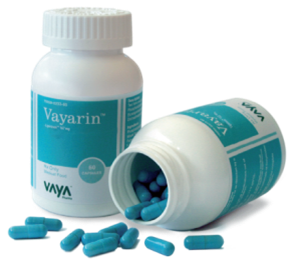
Jay D. Tarnow, M.D. and Amber Pastusek, M.D. prescribe Vayarin: A prescription medical food for the clinical dietary management of certain lipid imbalances associated with ADHD in children
The association between fatty acids (a kind of lipid) and ADHD was first investigated in the early 1980s. At the time, numerous physicians noticed that hyperactive children presented with thirst, which can be a symptom of fatty acid deficiency. Additionally, hyperactivity was also associated with eczema, asthma, or allergies that were reported to be alleviated by fatty acid supplementation. In 1995, Stevens, et al. was among numerous scientists at that time who published evidence that children with ADHD were deficient in two specific fatty acids compared to their normal counterparts: EPA (Eicosapentaenoic Acid) and DHA (Docosahexaenoic Acid), the long chain polyunsaturated (LC-PUFA) Omega-3 fatty acids.
Reduced levels of Omega-3 are associated with ADHD
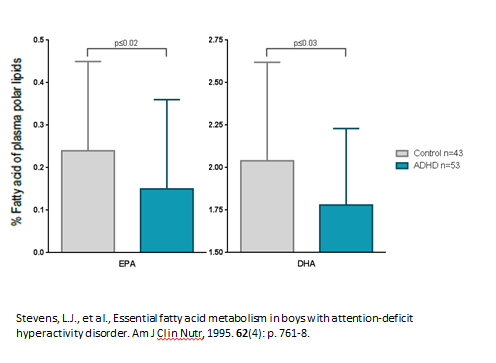
Although it was suggested that low levels of this kind of lipids may play a role in ADHD, studies results following supplementation with fatty acids, in the form of fish oil, have been inconclusive.
Vayarin was specifically developed to manage efficiently the lipid imbalance associated with ADHD. Vayarin is a prescription medical food that consists of Lipirinen, a unique composition of PS enriched with EPA, for the clinical dietary management of ADHD in children.
Key Study Findings
Vayarin efficacy and safety were evaluated in a randomized, double-blind, placebo-controlled study of 15 weeks followed by an open label extension of additional 15 weeks. Diagnosis and evaluation were conducted using validated questionnaires including teacher evaluations, parent evaluations, and quality of life questionnaires. Vayarin was found to significantly reduce several ADHD symptoms and improve quality of life, especially in children with a more pronounced hyperactive-impulsive behavior, as well as mood and behavior dysregulation. Additionally, Vayarin was shown to be well tolerated, and there were no major study-related side effects.
Vayarin significantly reduced several ADHD symptoms at home and at school
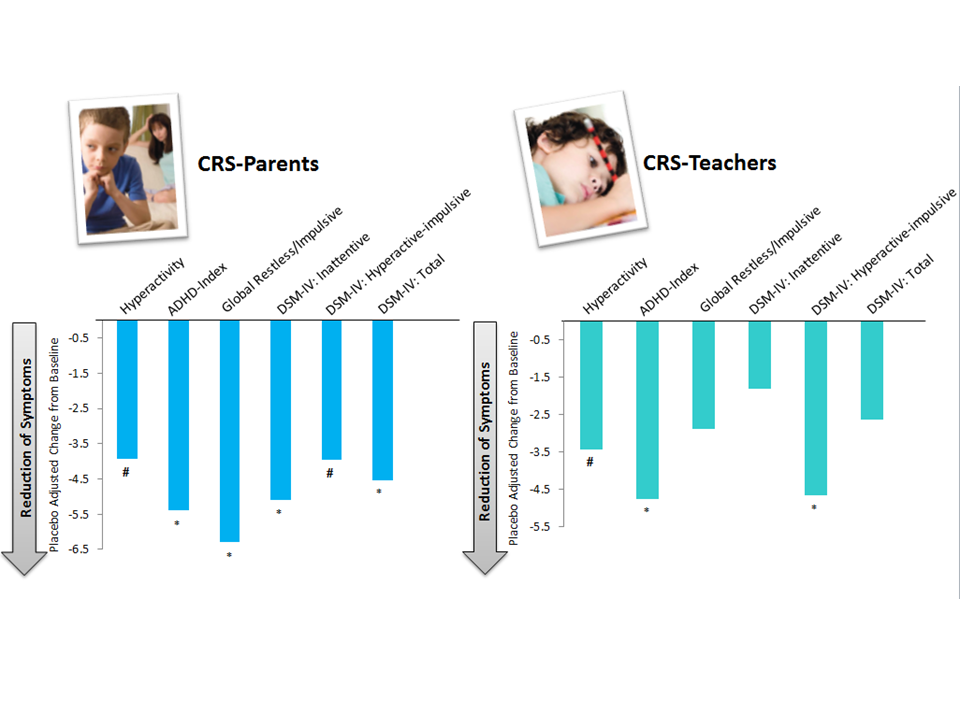
Conners' parent and teacher rating scales (CRS-P and CRS-T, respectively) double-blind phase results within the subgroup#: Comparison of placebo adjusted mean change from baseline. # p < 0.1, * p < 0.05 based on analysis of covariance controlled for gender and age.
# Children were included in this subgroup if they had an abnormal baseline score (>62) in at least two out of the following CRS-T subscales: Oppositional, hyperactivity, ADHD-index, or Global: Emotional lability.
Vayarin improved quality of life
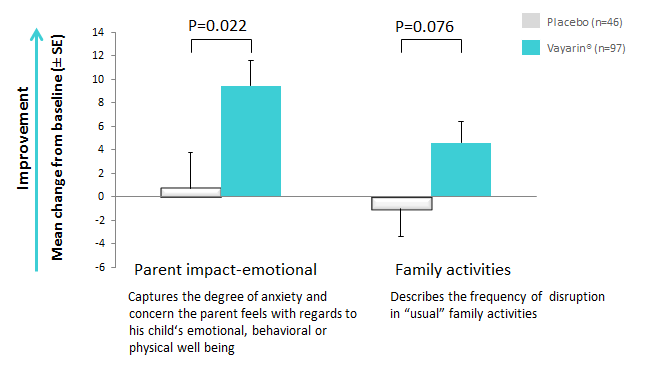
Child health questionnaire (CHQ), double-blind phase results: Comparison of mean change from baseline between the two study arms. P values are based on Student's t-test.
References
(1) Manor,I., et al., The effect of phosphatidylserine containing Omega3 fatty-acids on attention-deficit hyperactivity disorder symptoms in children: a double-blind placebo-controlled trial, followed by an open-label extension. Eur Psychiatry. 2012;27(5):335-42.
(1) Manor, I., et al., Safety of phosphatidylserine containing omega3 fatty-acids in ADHD children: A double-blind placebo-controlled trial followed by an open-label extension. Eur Psychiatry. 2013. doi: 10.1016 [Epub ahead of print]
The idea of primacy, where early experiences shape later development, resonates in the quotation, “As the twig is bent, so grows the tree,” pointing to the notion that bending a twig (an early experience), will affect the way the tree will grow (later development). The transactional approach more accurately relates to this quote by explaining that characteristics of the child and the characteristics of the child’s environment both interact across time to determine a developmental outcome. The way a child will develop depends on the child’s biology and genetics, or nature, as well as the child’s environmental factors, meaning psychological, social, and behavioral experiences, or nurture; over time, experiences of nature and nurture influence the child (factors influencing the way a twig is bent), affecting the developmental outcome (the growth of the tree). The timing of the child’s experiences greatly influences the developmental outcome, as can be seen with the unfortunate cases of children who were raised in isolation in a resource deprived environment; since socialization did not occur until much later in life, they may never able to develop speech and remained socially impaired. However, orphan children who grew up in deprived environments but were adopted into loving families at a young age were able to significantly improve in functioning, resulting in normal development. Also, a tree may grow just fine until one day someone sets fire to it, it gets split in two by lightening, or it is affected in some way by a natural disaster. The same is true for a developing child; a sudden traumatic experience may alter a child’s development affecting the developmental outcome.